Select your country to see content specific to your location.

Ferdi Porsche Hero 7x3.jpg
Community

Ferdi Porsche

Friends In High Places

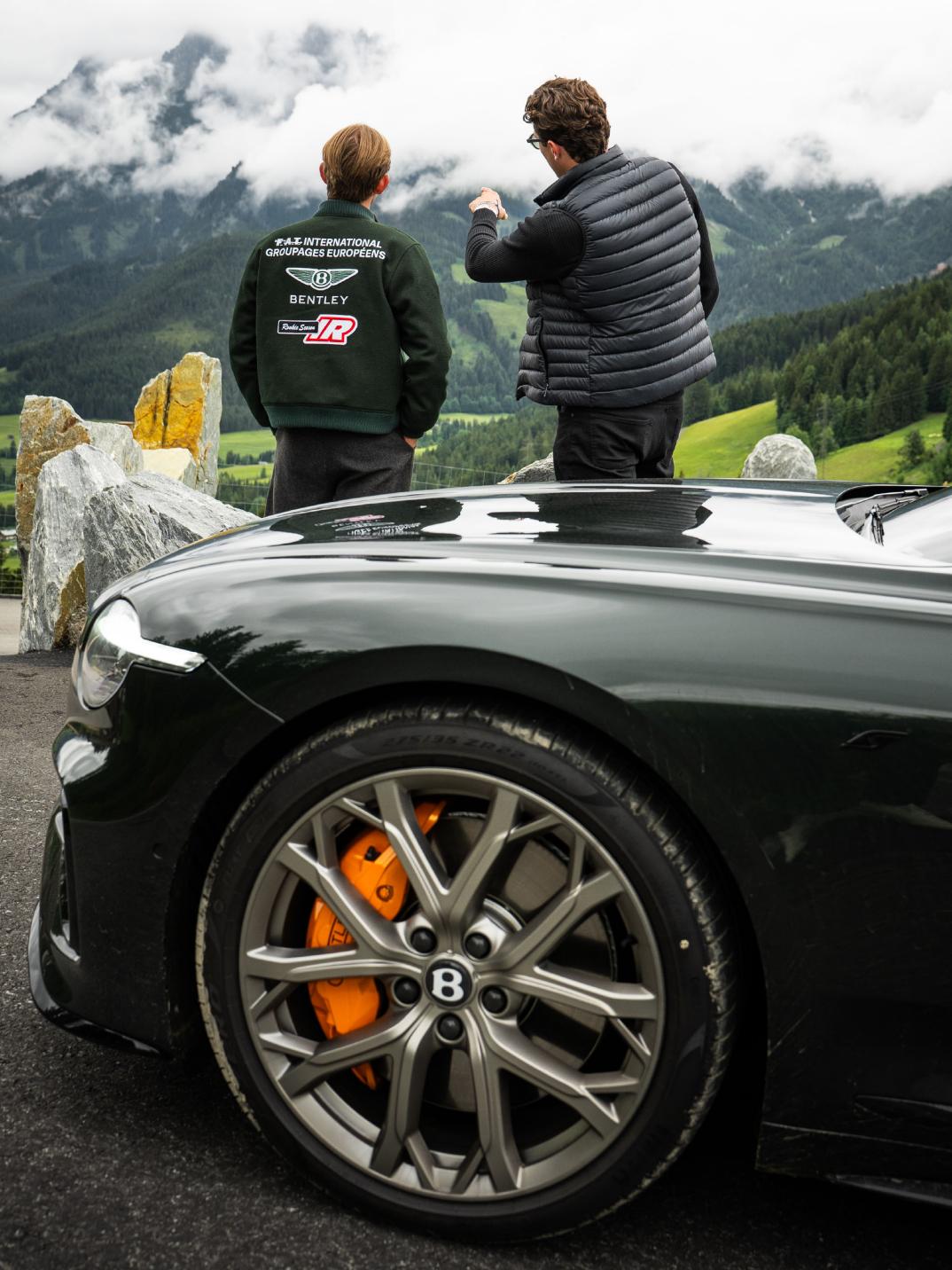
In 2019 Ferdi Porsche revived a classic ice race as an excuse to hang out with friends. Seven years on, his idea has evolved into a global car community.
Dezeen marble texture black.jpg
FAT Mankei 2 3x4.jpg
Friends in high places 2 3x4.jpg
Friends in high places 3 3x4.jpg
Black Leather Portrait Teasers.jpg

Origins of a Movement

The Simple Why
More Than Events
Reimagining the Ice Race

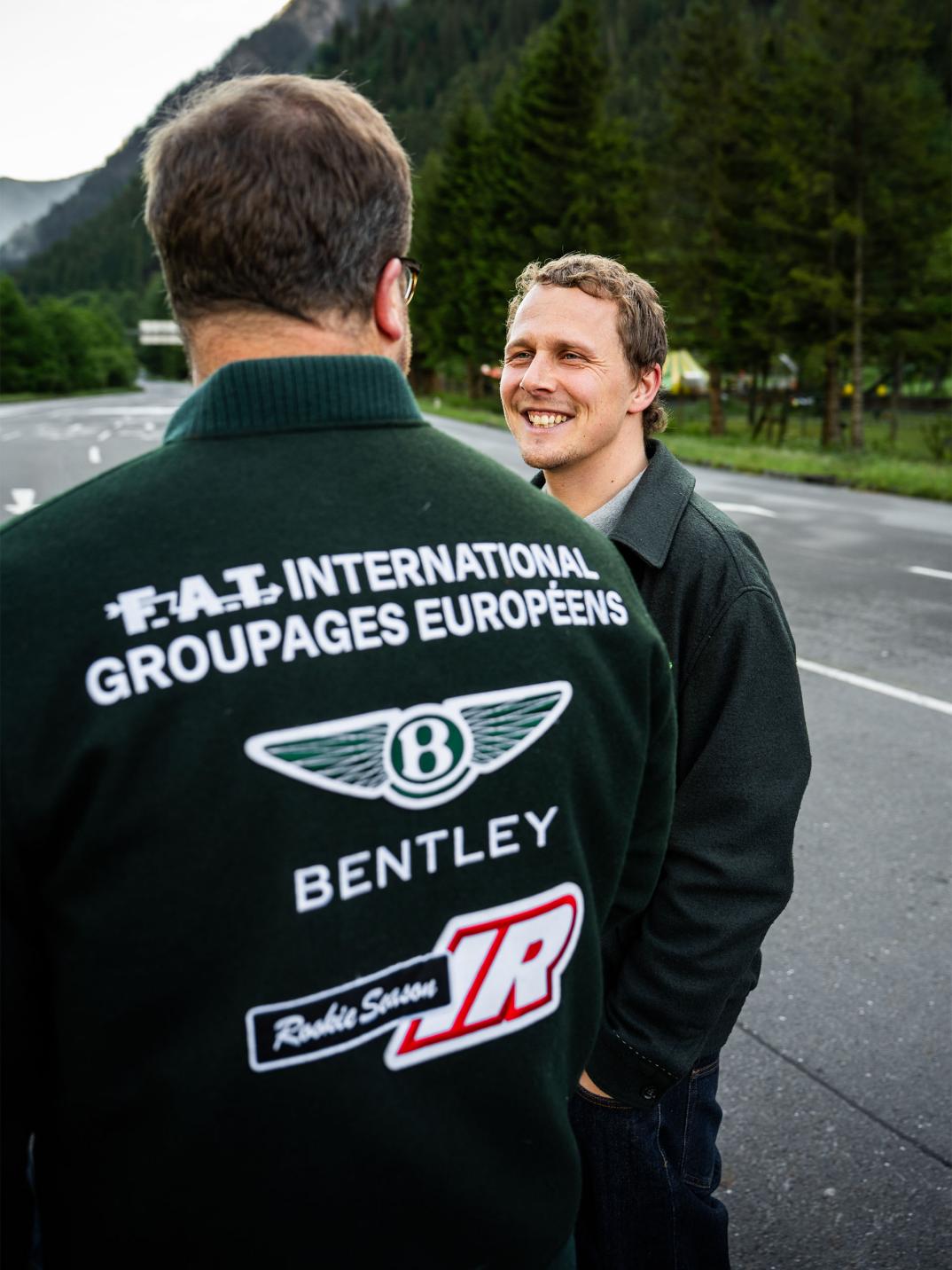
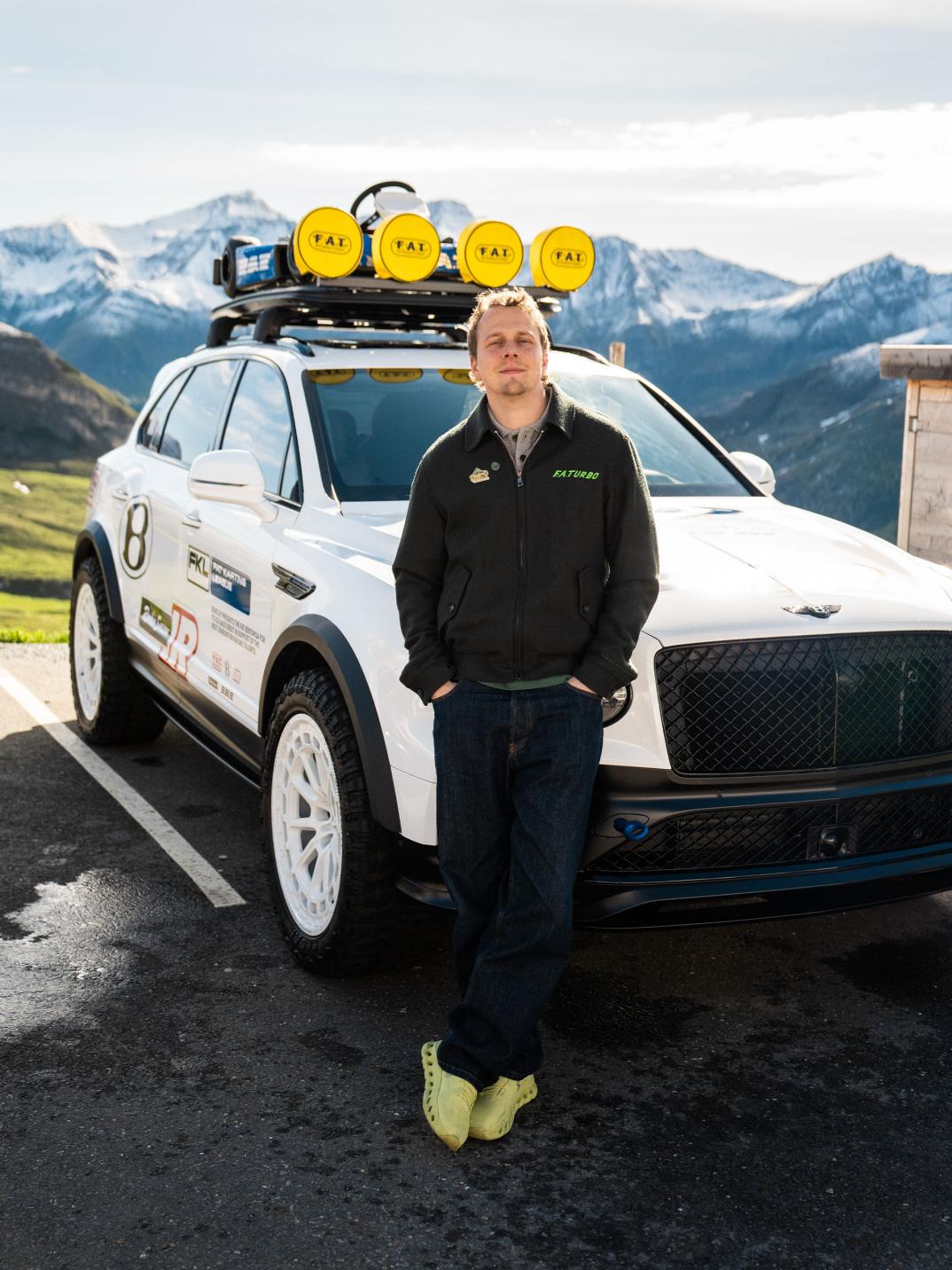
Ferdi Porsche is softly spoken, thoughtful, shy almost, though he has a wide, boyish smile. As the founder of FAT International, he’s often the centre of attention, needed for interviews, photoshoots, pulled here and there to play the role of ‘The Founder’. So when I finally get a chance to speak to him, in the middle of all the hustle and bustle of Bentley’s ON AIR event at FAT Mankei, I ask him a simple question. Why?

As the great-grandson of Ferdinand Porsche and a successful architect, he could have enjoyed his enthusiasm for cars quietly – buying interesting machinery, going for drives, meeting friends. Living comfortably without creating an automotive brand or series of events.

“But this is something with my friends,” he says, before breaking into that smile again. And that, in a nutshell, is what FAT is all about.

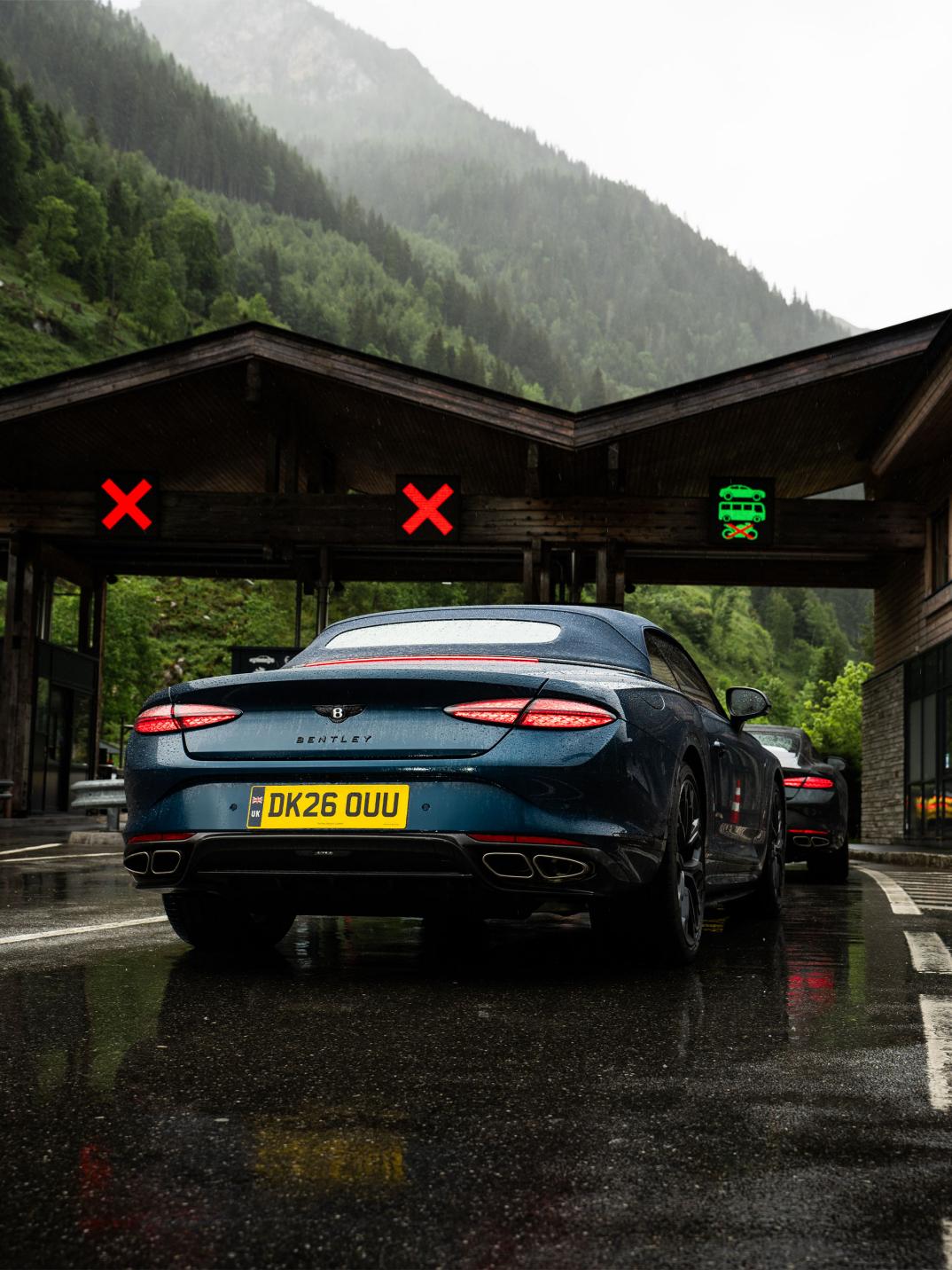
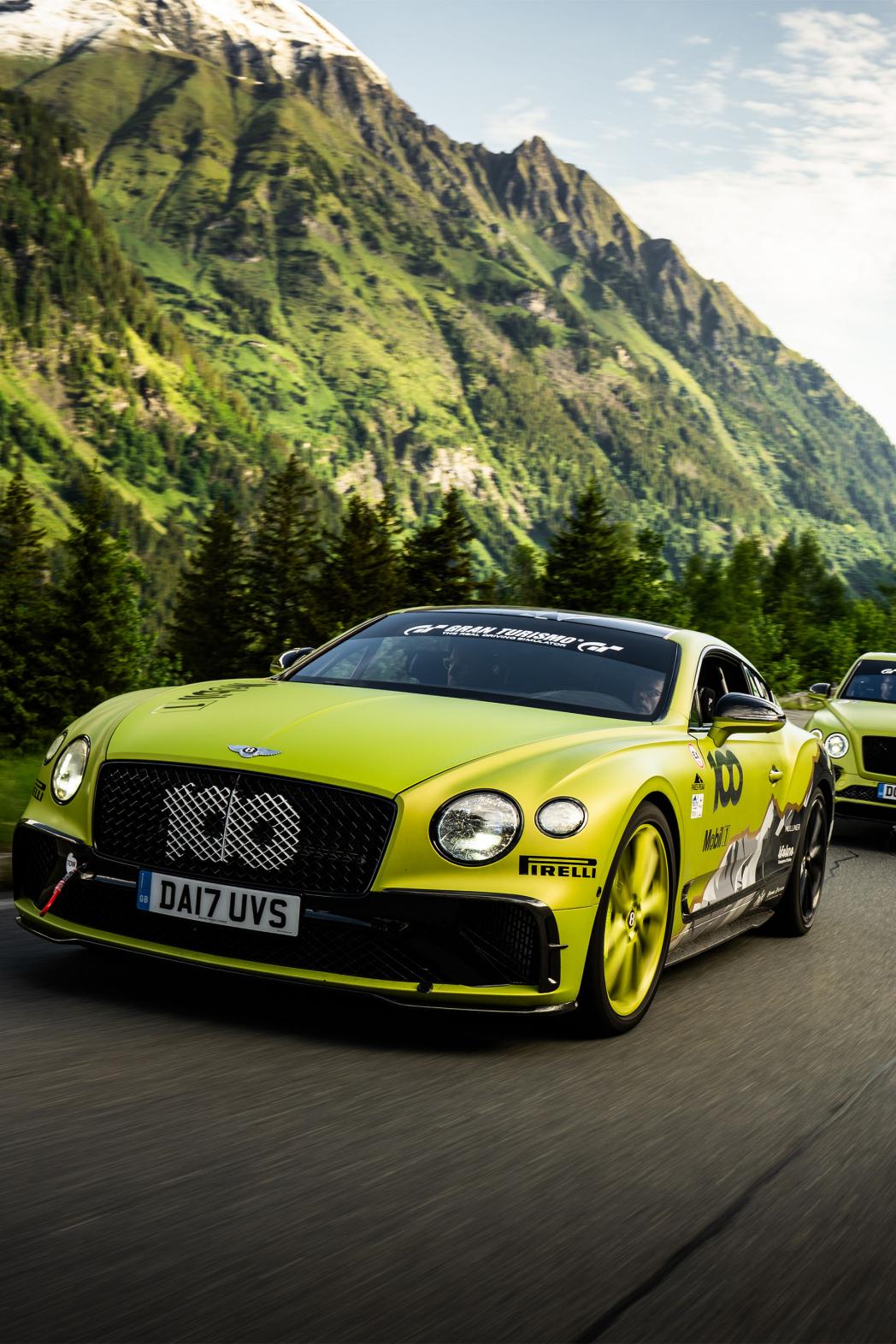
Three Bentley collaborations in a single year tell part of the story. There were the spectacular FAT Ice Races in Zell am See and Big Sky, Montana, where Bentleys slid, drifted and sprayed rooster tails of snow alongside historic racers and unlikely road cars. Then came the summer gathering, Bentley ON AIR, high on Austria’s Grossglockner Pass, where enthusiasts drove up to 2262 metres altitude to spend the day at FAT Mankei, talking about cars.

But the events themselves are almost secondary. What Ferdi Porsche has quietly built over the past seven years is something much harder to define: a community, a coming together, a modern car culture that somehow feels both nostalgic and contemporary.

So reviving the Ice Race wasn’t just about reviving the Ice Race – it was also about rethinking motorsport as something cool, something youthful, something hands-on. 
 

Ferdi, who was 26 at the time, knew about the original races because of his family history. During the war, Porsche (the company) moved from its traditional home in Stuttgart, Germany to a sawmill in Gmünd in the Austrian Alps. The family put down roots in the area, and when the race was first held on the nearby frozen Lake Zell in the 1950s, it was known as the “Professor Ferdinand Porsche Memorial Race”. 
 

The races stopped in the 1970s, before Ferdi and Vinzenz brought them back to life as a modern winter event, this time on a special ice track built at the Zell am See airfield.
 

The response to that first event surprised even them: “We didn’t have online ticketing the first year!” Ferdi remembers, with a little disbelief. “We had no idea how many people would come – we only really announced it on Instagram. Then we arrived in the morning and there was already this queue – I think we had around 10,000 people over the weekend. It was a real ‘ah-ha’ moment.”

Headlight Portrait Teasers.jpg
Ferdi Porsche 3x4.jpg
Friends in high places 5 3x4.jpg
Friends in high places 6 3x4.jpg
Azure Grille Portrait Teasers.jpg

Building the FAT World

From Event to Brand
The FAT Identity
A New Car Culture

Then Covid-19 arrived, which for many businesses meant survival mode, but for Ferdi – with just one event under his belt – it was an opportunity to stop and think bigger: “I had time to reflect. I started asking myself, how do I expand this into summer? How do I create different events?”


But then he worked it out: the answer wasn’t just another event – it was a brand.

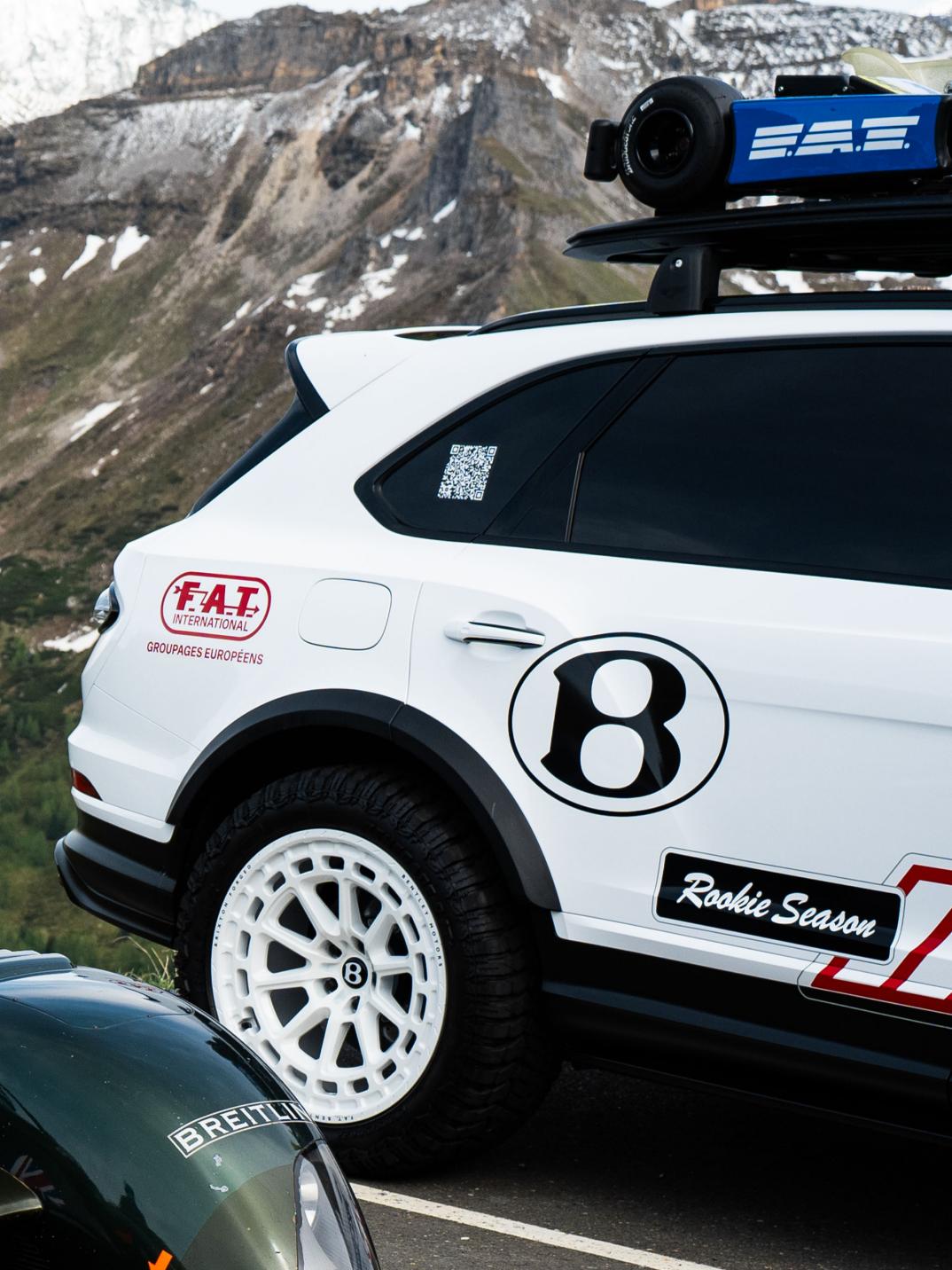
If the name FAT International sounds familiar, that’s because it already existed before Ferdi got hold of it. Back in the 1980s and ’90s, the distinctive red-and-white FAT logo appeared on more than 140 racing cars, thanks to a French-German logistics company (“Français-Allemand Transit” – hence F.A.T.) run by motorsport enthusiast Helmut Schwingen. Schwingen sponsored Porsche endurance racing, most famously the Dauer 962 that won the Le Mans 24 Hours outright in 1994.

“I was looking for [a brand name] with heritage, because the Ice Race also had heritage, so I thought it would be cool to find something that had some sort of credibility to build upon,” says Ferdi. “And then I literally just read the name FAT International, and immediately thought, ‘That’s it!’ It has humour. If something’s ‘phat’, it just says a lot – without saying anything. It captured exactly the attitude I wanted. And the original company was basically truckers sponsoring Le Mans winners. I love that.”
The trucking company had ceased trading in the 2000s, which meant Ferdi was able to adopt the logo for his own purposes.

“Cars have so much potential for inspiring people,” he explains. “Design, engineering, community – then there’s racing and the whole team sports around that. I think motorsport has maybe lost its soul a little bit, and a new, younger version was needed.”

Spend half an hour at any FAT event and you begin to understand what he means. There are no velvet ropes separating owners from spectators. Historic Le Mans cars are parked beside modified road cars. Formula 1 drivers mingle with YouTubers, artists, architects and families pushing buggies. Someone skis behind a Bentley Bentayga. Nobody seems concerned whether any of it makes conventional sense.

“I think motorsport was always crazy,” says Ferdi. “It always had a ‘just do it’ attitude – to compete with yourself, compete with other people, have fun. I like this spirit – this is what I want to highlight with FAT, opening it up to different youth cultures, to people from different professions. That’s the power that cars have, right? They’re a product that everybody has a feeling about it.”

full screen 3 7x3.jpg
Black Leather Portrait Teasers.jpg
Friends in high places 7 3x4.jpg
Friends in high places 8 3x4.jpg
Ferdi Porsche 2 3x4.jpg
S and Speed Model Veneer Portrait Teasers ZOOM + ROTATE.jpg

The Road Ahead

A home in the Mountains
Bentley above the clouds
Growing the Future

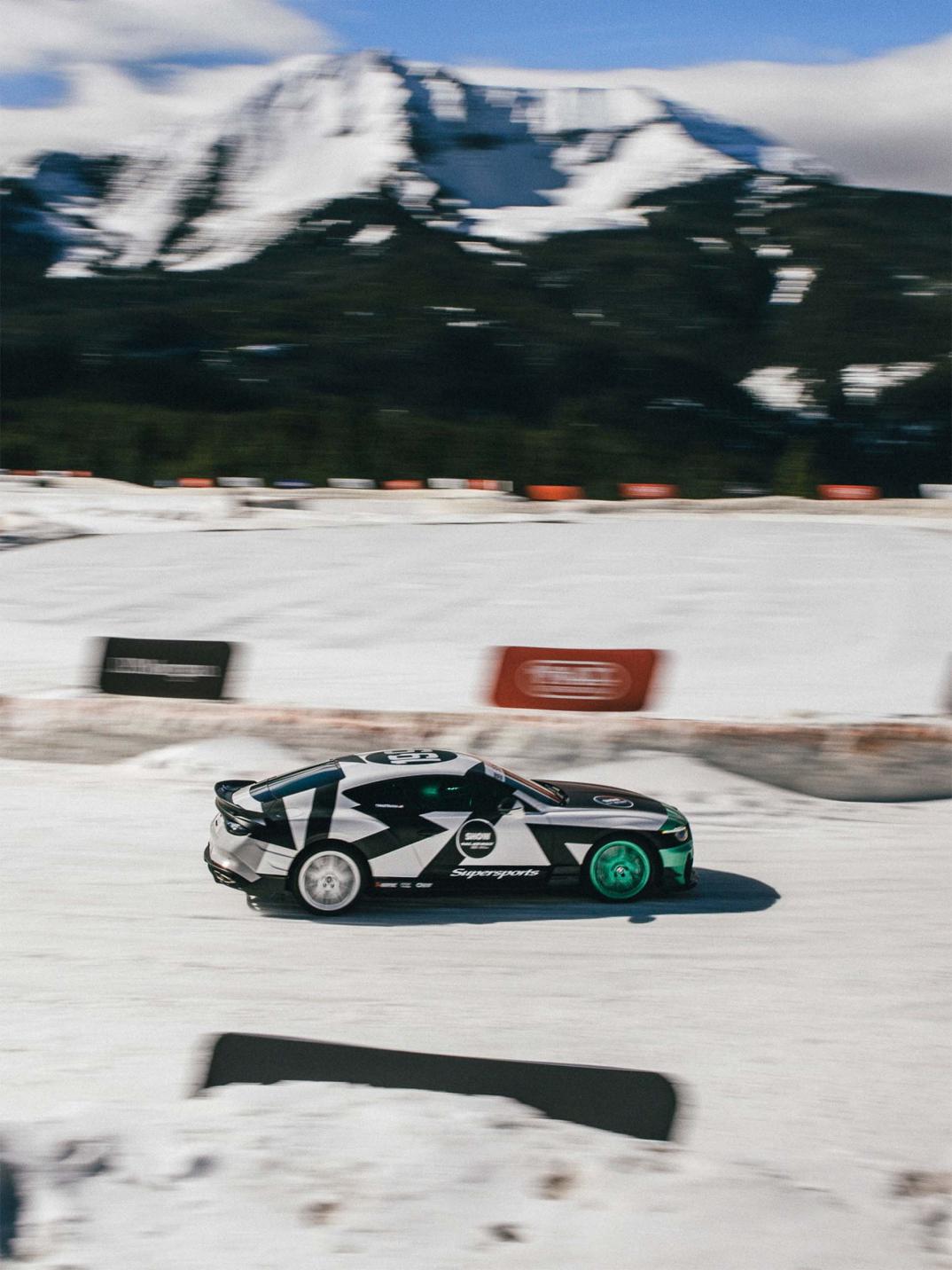
Ferdi proved that FAT International really did live up to that attitude when the Ice Race crossed the Atlantic in February 2026 for its first US edition, held on a purpose-built ice circuit at Big Sky, Montana. More than 2000 enthusiasts gathered beneath the Rockies, and Bentley was there once more, this time with the Supersports from the FULL SEND film, drifted around the frozen track by Lia Block, daughter of Gymkhana legend Ken Block.
 

And by that time, Ferdi had already moved beyond events to create FAT’s most tangible expression yet: a modern mountain refuge on the Grossglockner Pass. If the Ice Race was FAT’s annual celebration, FAT Mankei would become its permanent home.

Why is it called FAT Mankei? Ferdi explains the story of this Alpine refuge, and its links to the Porsche heritage: “There was a wooden hut here that burned down in the 1970s or ’80s. That was rebuilt and this guy took it over – the person I bought it from. ‘Mankei’ is the local word for marmot [the mountain-dwelling ground squirrel] and he kept some of them in the hut!” Ferdi laughs. “He was a really fun guy but he’d done like 30 years up here and he just decided to sell. It had been sitting on the market for a while when I heard about it and I became curious. 

“This road [the Grossglockner Pass] is the reason why my family is in this area – Porsches were built down in the valley, and they drove them up here and tested them. So I just thought this was perfect for our racing headquarters in the mountains.”

Working with his colleagues at Steiner Architecture, the Mankei refuge has been reimagined as a destination for drivers – a cars-and-coffee stop in the clouds. Located directly on the roadside, it’s a traditional timber lodge with a modern twist, alongside a striking glass pavilion that cantilevers dramatically over the mountainside, framing one of Europe’s greatest driving roads. The pavilion – linked to the main refuge by a metal bridge – is like an art gallery, or, as Ferdi describes it, a “one-car museum”.
 

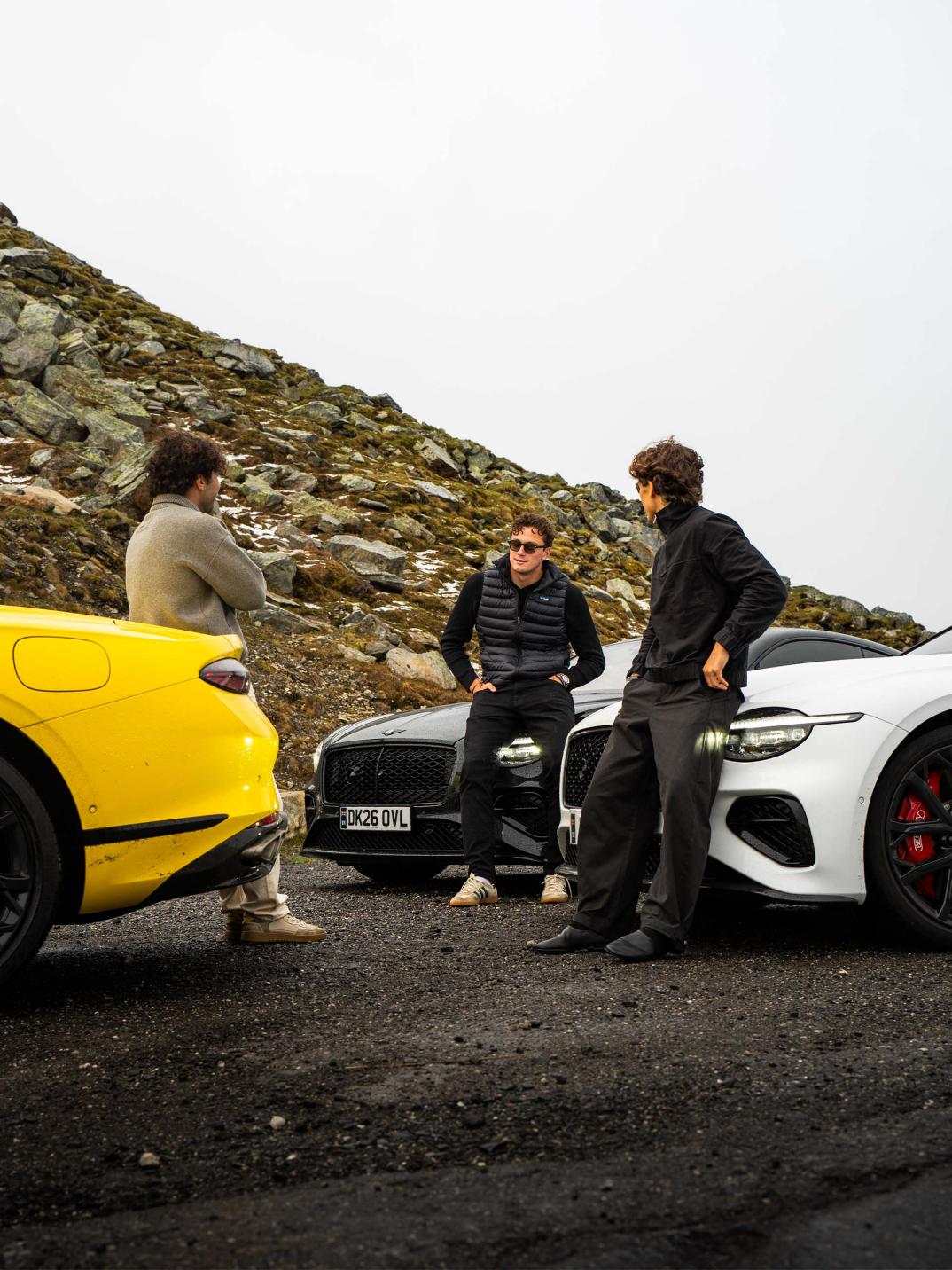
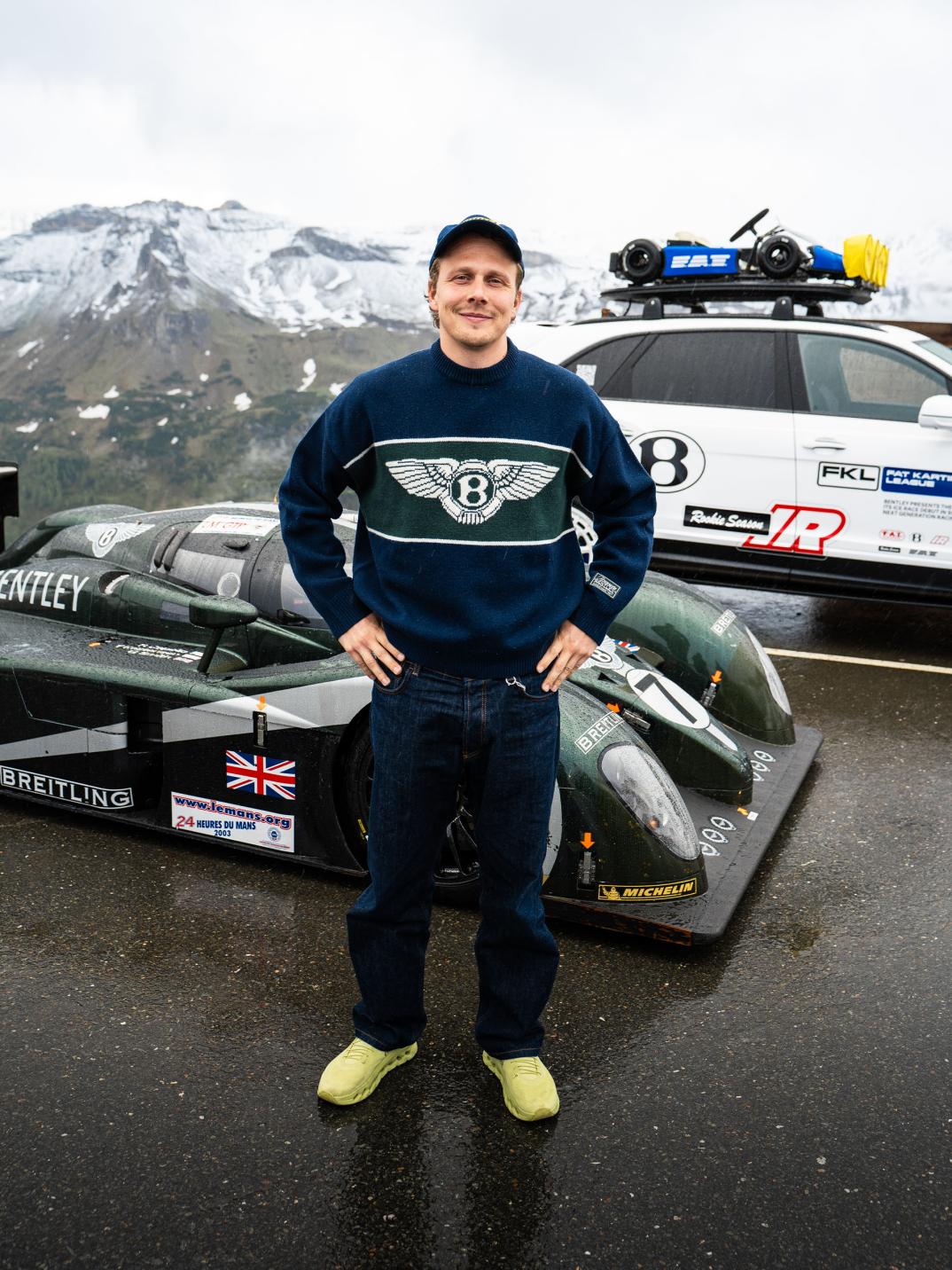
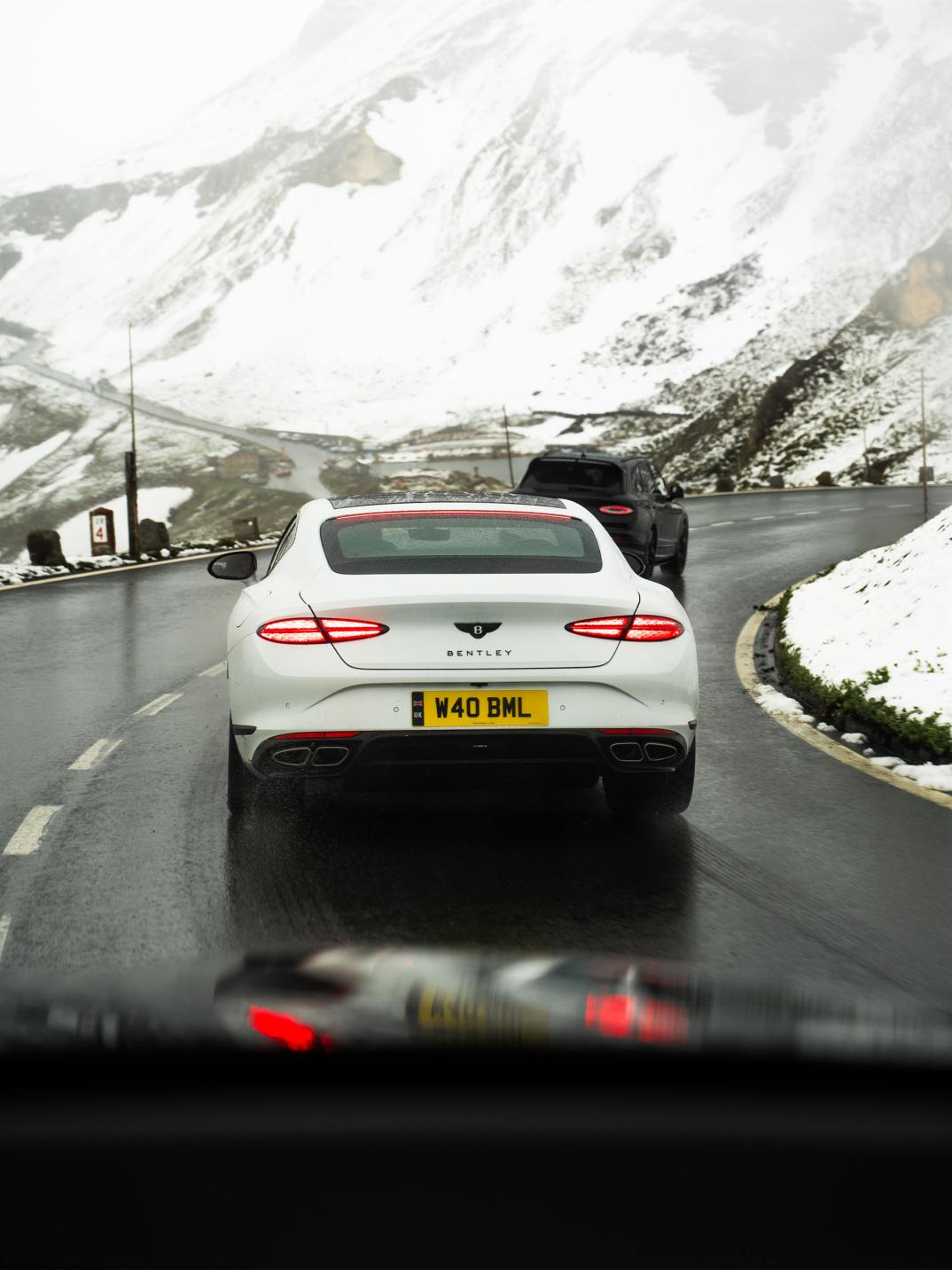
This was the location for Bentley ON AIR, an event that welcomed not just Bentley owners but car enthusiasts more broadly. Anyone who drove up the Grossglockner and its incredible switchbacks would find an unlikely sight at the top, with a Le Mans winner, three Pikes Peak cars and the wild Bentayga X on display. It was as eccentric as it was unexpected. 

“Bentley’s a really cool brand,” says Ferdi, reflecting on the success of the ON AIR event. “It was always a blend of elegant cars and racing. Obviously the Bentley Boys and Girls [of the 1930s] are the first things that come to mind, but Bentley has always been a very rock’n’roll kind of company. From Elton John driving one, to the Rolling Stones – all the way to the Queen, right?”

With the Ice Races established and Mankei a success, the obvious question is where FAT goes next. Another Mankei? More permanent homes? Ferdi shakes his head. 
 

“I’d love to do more architecture, eventually,” he admits. “But right now the focus is growing the races. Maybe they’re not always on ice – maybe they’re on tarmac, maybe gravel. It’s about reaching more people.”
 

While the events attract headlines, much of Ferdi’s energy now goes into the FAT Karting League, a grassroots initiative designed to make motorsport more accessible. The early winners are progressing into British Formula 4 through FAT Racing, creating a genuine ladder into professional competition. 
 

It’s an attempt to tackle the other side of the problem he identified all those years ago: if the events are about giving spectators a reason to fall in love with motorsport again, karting is about giving them somewhere to start. “It’s strange,” he says. “About 1.6 billion people watch motorsport, but almost nobody can actually do it!”
 

Which brings us back to the beginning. Asked why he bothers with any of this – the Ice Races, the mountain refuge, the race team – Ferdi’s answer wasn’t about Porsche, architecture or even motorsport: it was about hanging out with friends. Seven years on, that’s still the simplest explanation. Only now, Ferdi’s friendship group has become much larger.