Speed Six 3x2.jpg
Speed Six 7x3-Recovered.jpg

MULLINER

6 ½ litre Speed Six Continuation

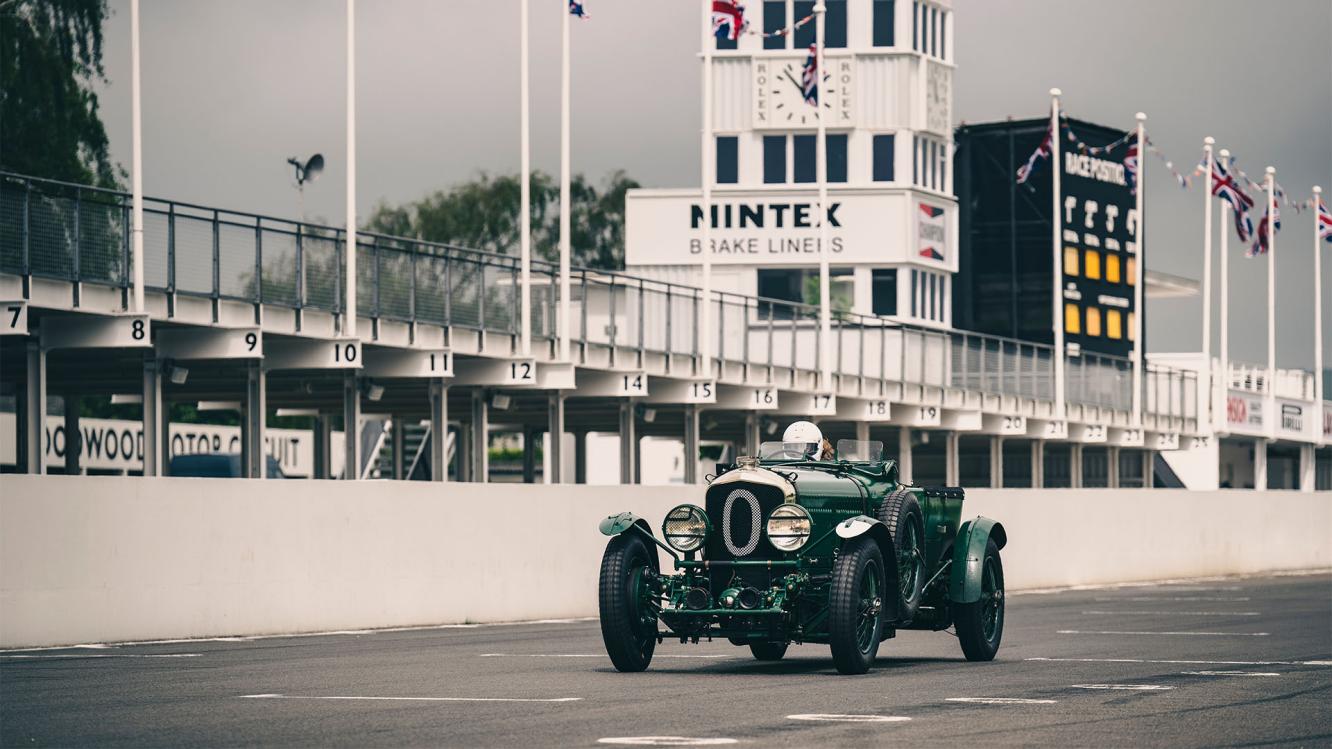
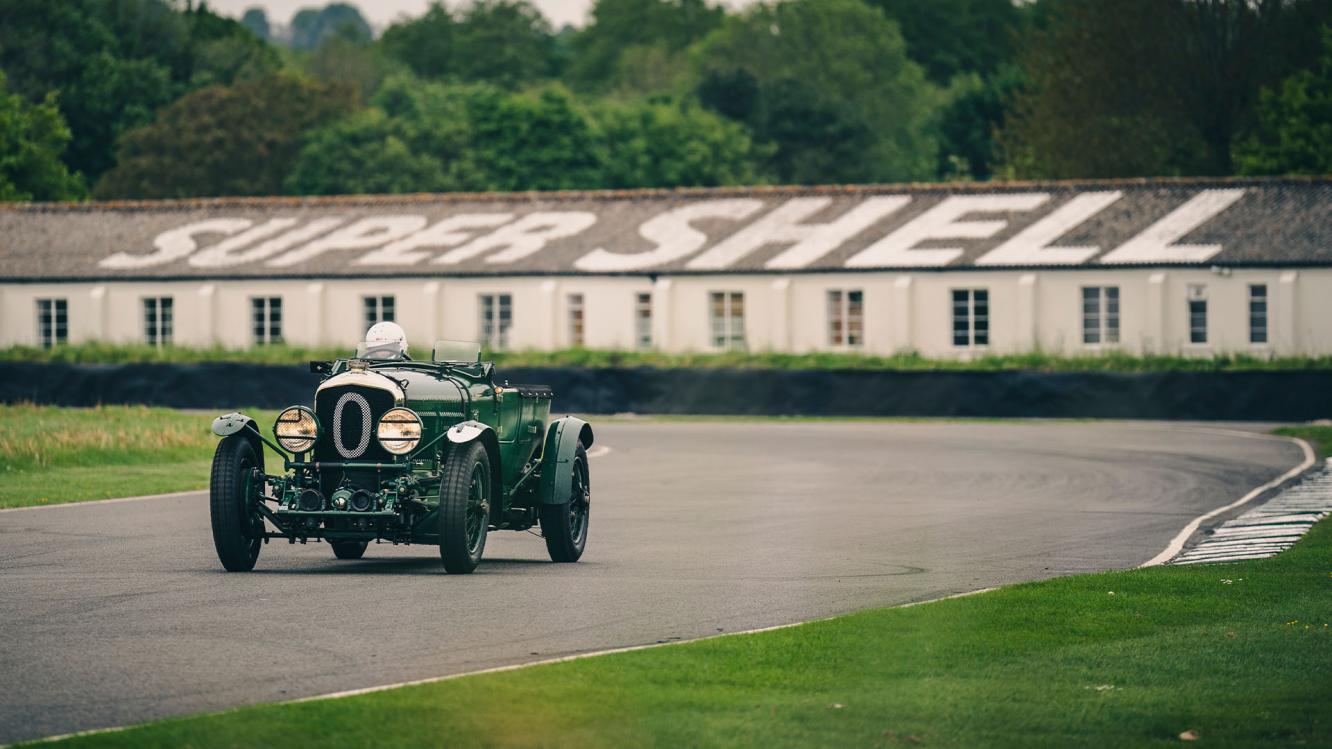
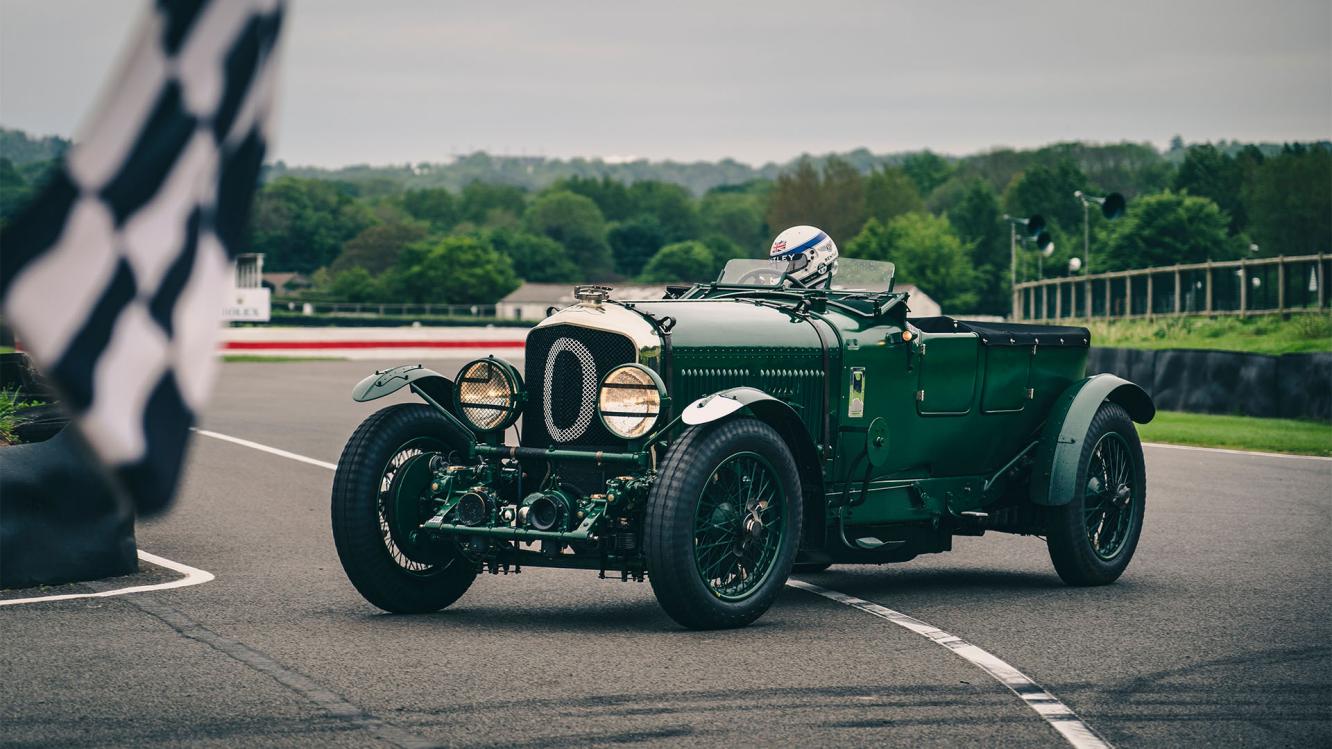
Following the success of the Blower Continuation Series, the Mulliner team embarked on a mission to bring yet another legendary car back to life. This time, it was Old Number One, the factory works 6½ litre Bentley Speed Six that won the 24 Heures of Le Mans back in 1929 and 1930 – what would be the final Le Mans victory of Bentley’s golden pre-war age. Only this time, the project would be even more demanding than recreating the Blower.

MULLINER

A truly legendary car

Introduced in 1928 as a more sporting version of the Bentley 6½ Litre, the Speed Six was the most successful racing Bentley of all time. It featured an extensively modified version of the Bentley 6½ litre engine, with twin SU carburettors, a higher compression ratio and a high-performance camshaft.
 

Like many Bentleys from the company’s early days, it was sold in numerous configurations, but one stands out in particular: the “factory works” Speed Six. This was the car that raced and won the 24 Heures du Mans in both 1929 and 1930, but it was the car from 1930 that we chose to recreate, and the Bentley Mulliner team discovered it had some unique upgrades.

6 ½ litre Speed Six Continuation
Grey leather landscape.jpg

MULLINER

The 6 ½ litre Speed Six Continuation

A race that would go down in history
A forensic approach
Authenticity from the outset

Because of the arrival of the Great Depression, the 1930 24 Heures du Mans attracted just 17 entrants – yet with such a small field, every driver thought they could win. It made for a particularly brutal, gruelling race.
 

Of the five Bentleys taking part, two were supercharged Bentley ‘Blowers’ and three were Speed Six factory works race cars, tuned to deliver 200 horsepower at 3,500 rpm – a phenomenal output for the time. There were also cars from Alfa Romeo and Mercedes-Benz – two of the biggest names in motor racing of this era.
 

In the ensuing war of attrition, cars pulled out of the race one after another, due to crashes or technical problems. The Blowers were first to withdraw, followed by one of the Speed Sixes. Soon, however, an epic battle emerged between the remaining Bentleys and the famous 7-litre supercharged Mercedes-Benz SS. Eventually, Bentley outlasted the Mercedes and the two Speed Sixes secured a historic first and second place – a feat the company would not achieve again until 2003. It made the Speed Six the first car to win Le Mans twice, a feat since repeated by just four other cars in the history of the race. 
Sadly, the car that won back in 1930 no longer exists in it’s Le Man’s racing form. So the first step was to establish its complete specification, right down to the last bolt. With no single original car on which to base the new cars, two Speed Sixes helped build an authentic template. One was Bentley’s own Speed Six, GU409. This car could be stripped down and rebuilt, cataloguing and scanning every component along the way. But it was a road car, not a race car. The specification was different. That’s where ‘Old Number 3’ came in. As the works Speed Six driven by Sammy Davis and Clive Dunfee, it was almost perfect. But it was kindly provided on loan, for reference. There was no question of stripping it down. By using the original Bentley blueprints as a roadmap, the Mulliner team studied every detail of the three Speed Sixes that raced, ultimately arriving at the specification for every component of the 1930 car – including a digital model. All that remained was to build it. 

The next stage involved making individual components from scratch, using period-correct tools, fixings and techniques. Building the prototype alone would take 10 months, due to the techniques involved. The manufacture of the chassis, for example, could not begin until over 20 tonnes of tooling had been made, with which to press the steel. Once each part had been pressed, checked, and deburred, it then had to be assembled using authentic, non-metric BSF (non-metric) bolts.
 

When it came to the exterior of the car, the frame was clad in around 25 meters of Rexine, a highly specialised period-correct fabric, to create the Speed Six’s Weymann-style open tourer bodywork. At every stage, the car was crafted using authentic techniques and materials.

Base Grille Landscape Teasers.jpg
6 ½ litre Speed Six Continuation

Performance

Testing times

Once the prototype – known as Car Zero – was complete, it was time for a punishing, six month regime of testing. After 40 hours of engine testing, the car was taken out onto the road for a full 10,000 km of durability tests on a variety of surfaces, including racetracks and public roads.
 

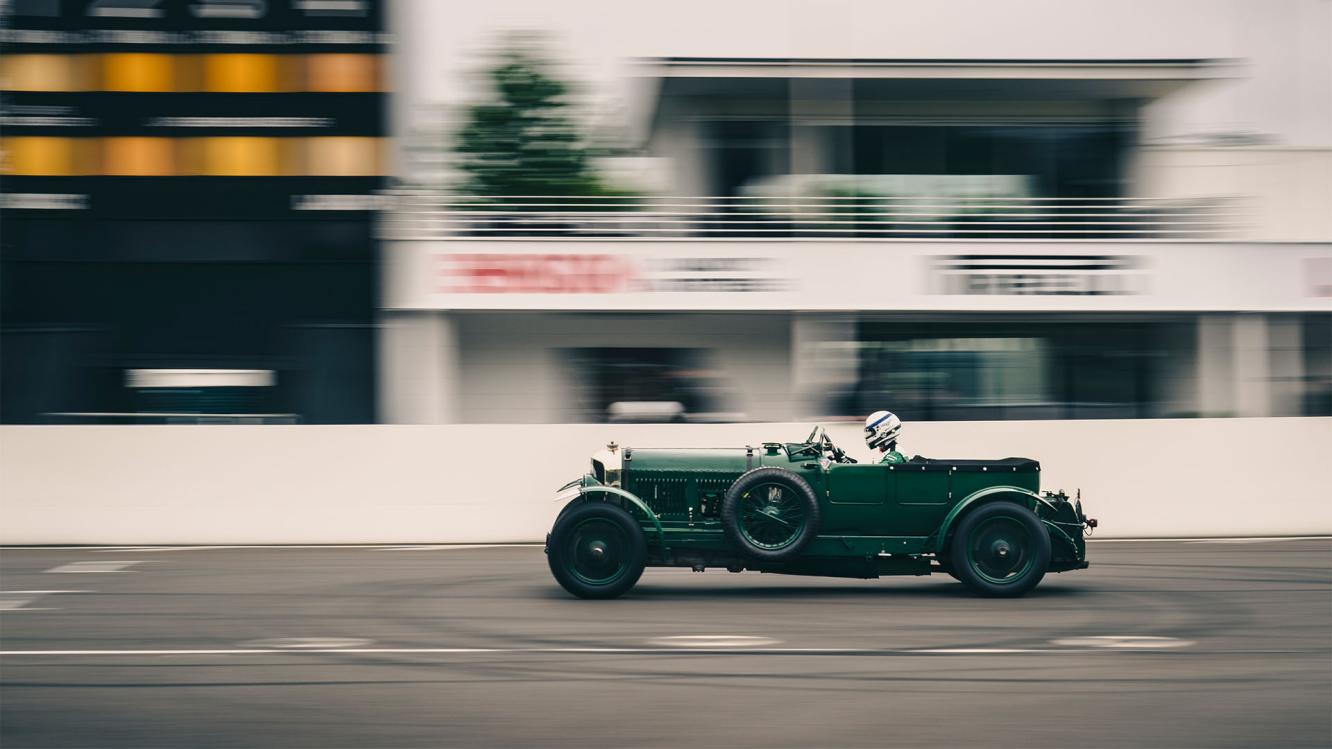
Initial dyno testing measured the power output of the 6597cc engine at 205 bhp. With modern materials, it would have been possible to boost this significantly, however this would not have been true to the specification of the original cars. That’s why, in the all-important top speed testing, it reached 112 mph – just as the original racing Speed Sixes would have done, back in 1930.

MULLINER

A legend returns

From the pressed steel ladder frame to the Rexine-clad Vanden Plas Open Tourer bodywork, all 12 of the Speed Six Continuation Series cars authentically reflect the specification of the original racing Speed Six. As with every Mulliner project, however, there is always significant opportunity for each customer to put their own stamp on their car.
 

Clients are able to choose precisely the colour and shade of the cellulose exterior paint on the chassis, body, wheel and accompanying components throughout. They can even choose the hide colour and material used for the fascia and even the colour of the carpets at the drivers’ feet. Importantly however, all were period correct and were developed with the appropriate historical research to support.
 

. Because ultimately, each of the Speed Six continuation cars are a personal project for each client: a declaration of love for a long-lost automotive era – and a desire to resurrect one of the greatest Bentley cars ever made.

Vehicle not homologated for road use. Car built in accordance with FIA Appendix K.