Stage Background Main.jpg
Stage Main.jpg

Darren Day

Continental T

The Continental T launched a revolution for Bentley. And it started on the button.

Breaking the mould.jpg
Push button to start.jpg
Black leather landscape.jpg

Design

Breaking the mould
Push button to start

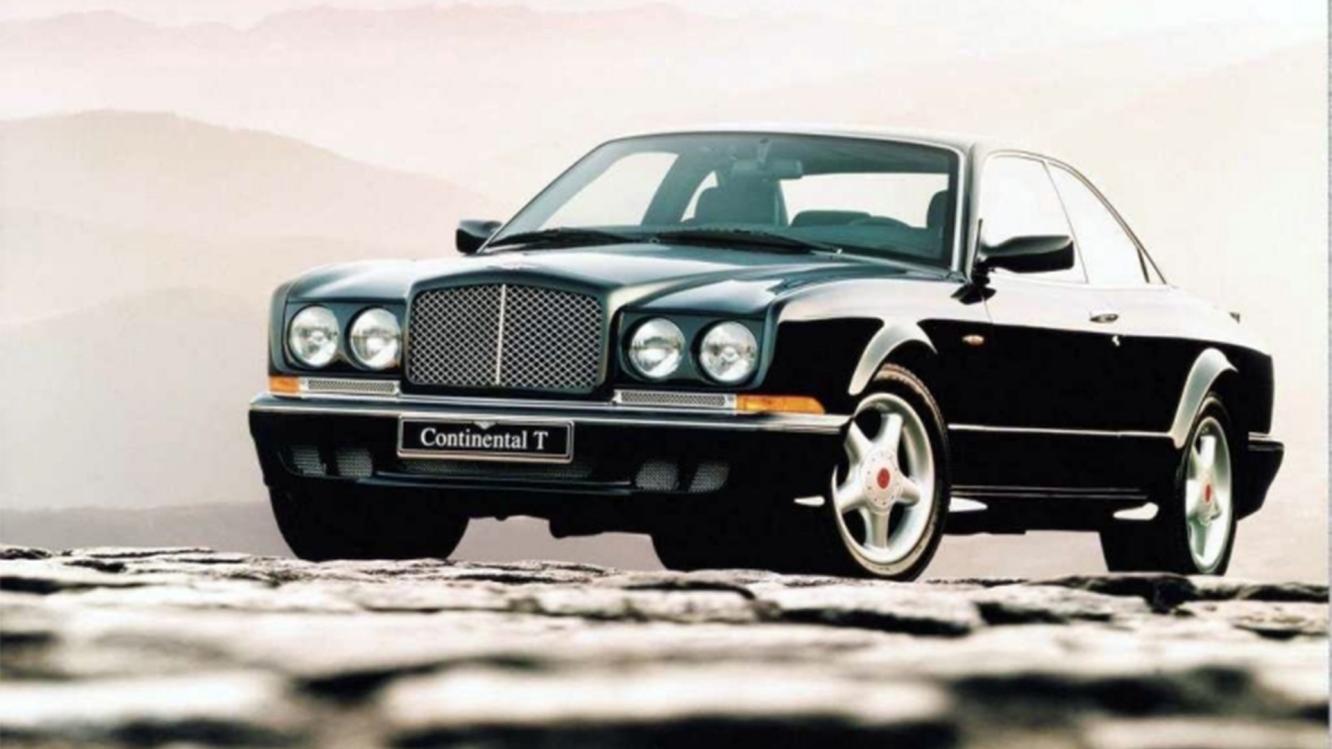
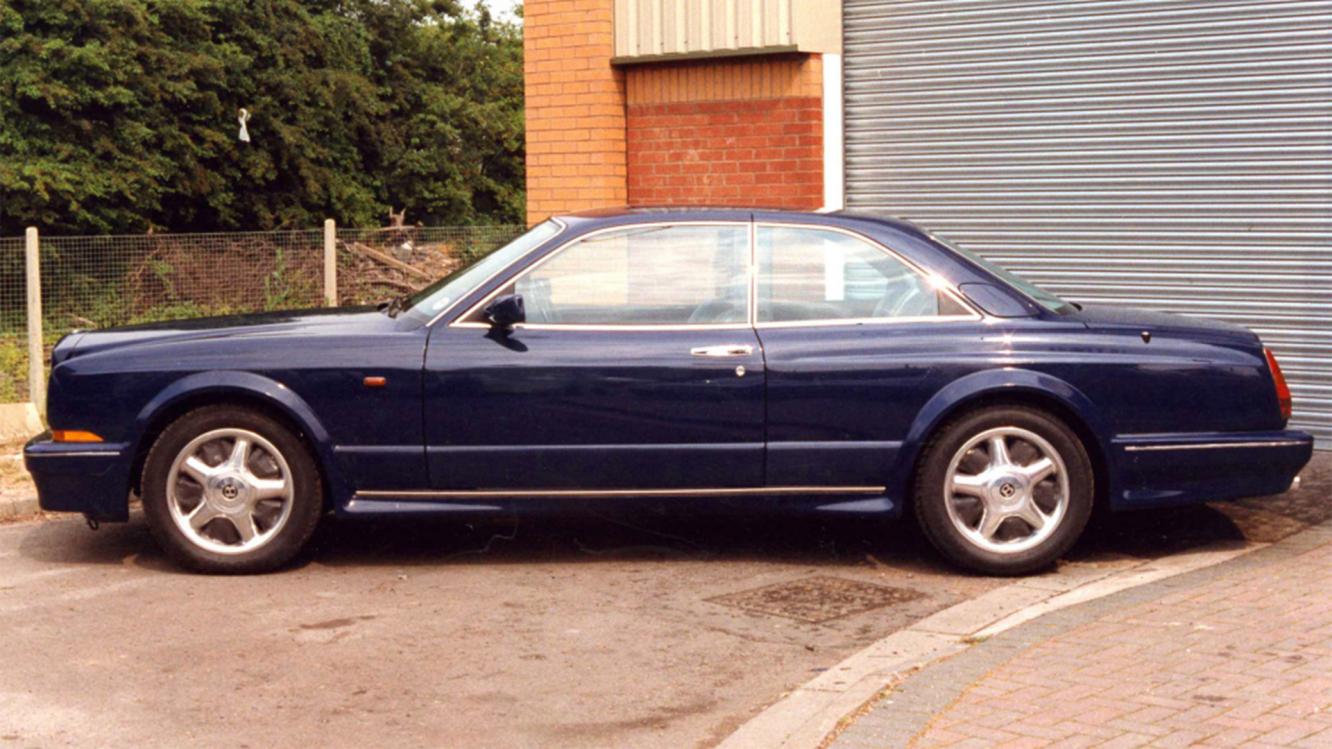
The old school tie brigade must have hated the Continental T. With its shortened wheelbase, bulging wheel arches and turbocharged 400bhp V8, it elbowed aside any notion of Bentley understatement. In stance, style and attitude it was closer to NASCAR racer than luxury limousine. 


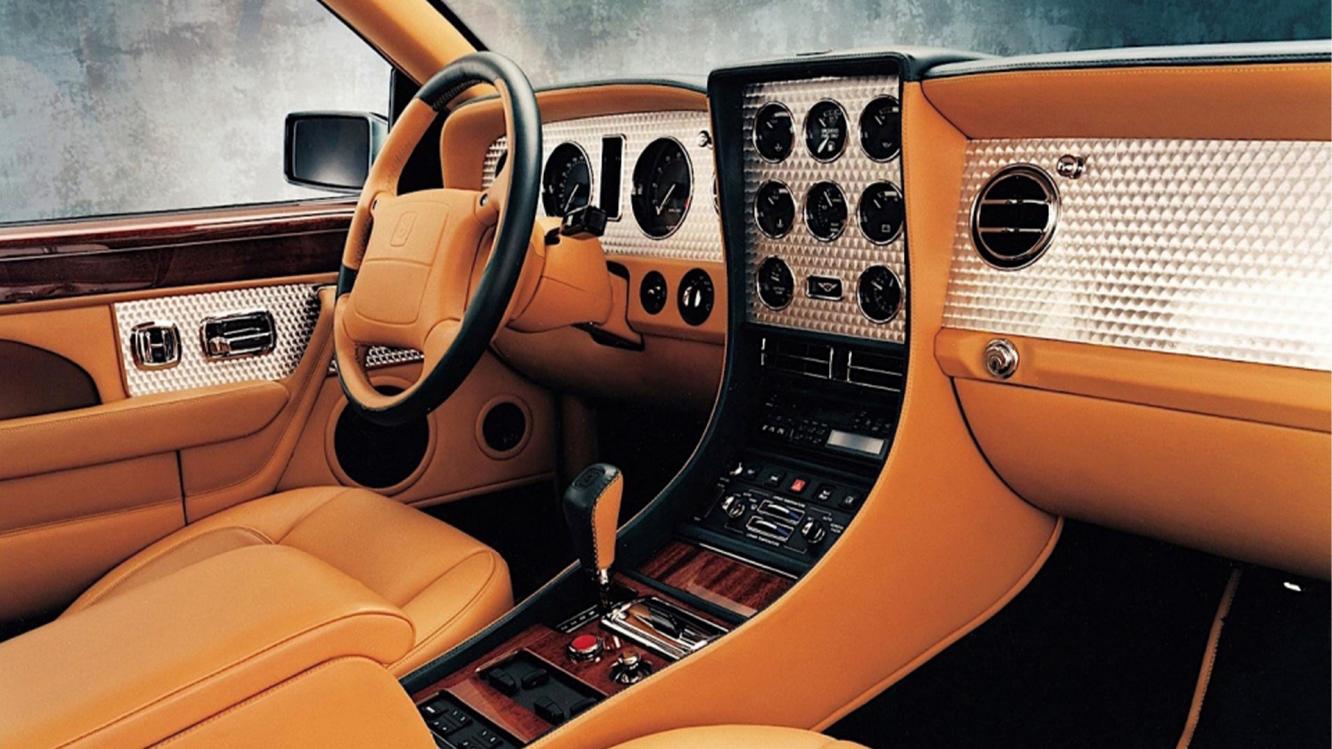
Opening the driver’s door revealed an even greater affront to tradition. Instead of a traditional burr walnut fascia, the Continental T hit you in the eyes with a door-to-door expanse of engine-turned aluminium. There was even a red starter button. Sacrilege. 

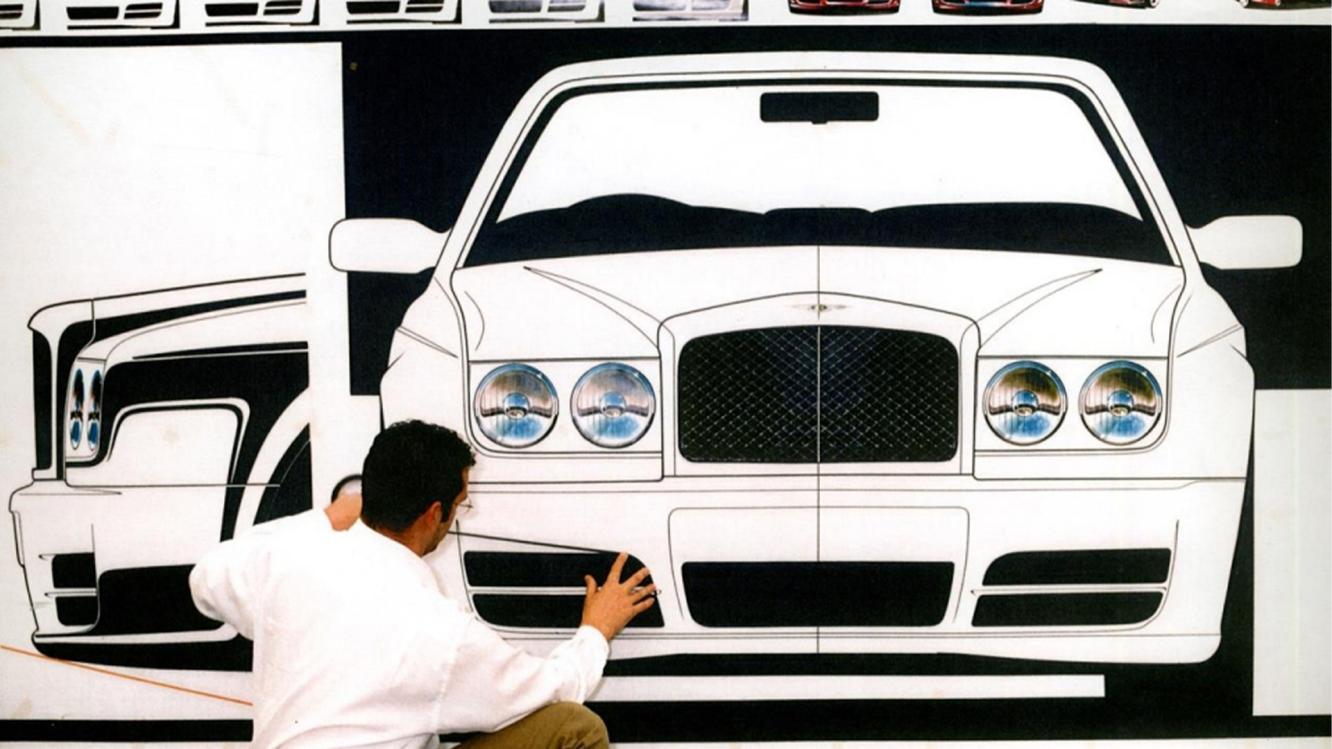
For young designer Darren Day, the Continental T was a dream come true. He started at Crewe in October 1994, as one of just four designers working under chief stylist Graham Hull. The Continental T became his first major project. He was briefed to provide concepts for a complete car – including exterior, interior, wheels and even engine bay. 


For inspiration, Day travelled to the Pebble Beach Concours d’Elegance to immerse himself in Bentley’s naughtier, rortier past. “I was blown away by the old racing Bentleys,” he recalls. “They had big, parchment dials, engine-turned aluminium…and starter buttons. There hadn’t been a Bentley with a starter button since the pre-war days, but I loved the message it conveyed. I was determined to make that a feature.”

Return of the blower.jpg
Taken to extremes.jpg
Grille landscape.jpg

Power

Return of the Blower
Taken to extremes

By the mid-1990s, Bentley’s renaissance was under way. The Turbo R, launched in 1985, had brought performance back. Its turbocharged 6 ¾ litre V8 gave it a 0-60 time to match contemporary two-seater exotica. The press acclaimed ‘The return of the Blower Bentley’. 


In 1991 came the Continental R, the first production Bentley with its own bodystyle in four decades. On the day of its unveiling at the Geneva Motor Show, Bentley filled its order books for the next two years. 


The Continental T pushed the boundaries. “Mulliner Director Jim Orr decided to create a limited edition,” explains Day. “He chopped four inches out of the wheelbase of a Continental R and handed it over to me with a simple instruction: ‘Go and create a beast’.” Orr estimated that such an extreme Bentley might justify a run of ten vehicles. 

The Continental T featured a shorter wheelbase, firmer front subframe mounts, stiffer rear trailing arms and lowered suspension. Unlike the Continental R, it also had switchable traction control, handy when 800Nm of torque is trying to strip the tread from the rear tyres. Widened wheel arches housed 18” five-spoke alloy wheels shod with 285/45 tyres; in the mid-90s, that was as hardcore as it got. Autocar declared it, ‘the greatest Bentley in half a century’.  The 0-60mph benchmark took just 5.8 seconds. A beast, indeed.


The Continental T was extreme. You either loved it or hated it. Enough customers loved it to make a mockery of Jim Orr’s original estimate of ten cars. By the time production ended in 2003, 321 Continental Ts had left the Crewe workshops. 

The Beast 2.0.jpg
The journey continues.jpg
Black Leather Portrait Teasers.jpg

Evolution

The Beast 2.0
The journey continues

Working on the Continental T gave Darren Day’s career a new focus. “I loved working on the interior,” he notes. “Not just the fascia, but the upholstery and trim too. We pioneered a three-tone interior on the Continental T; green, butterscotch and tan. Up till then, most Bentleys were trimmed in magnolia.” 


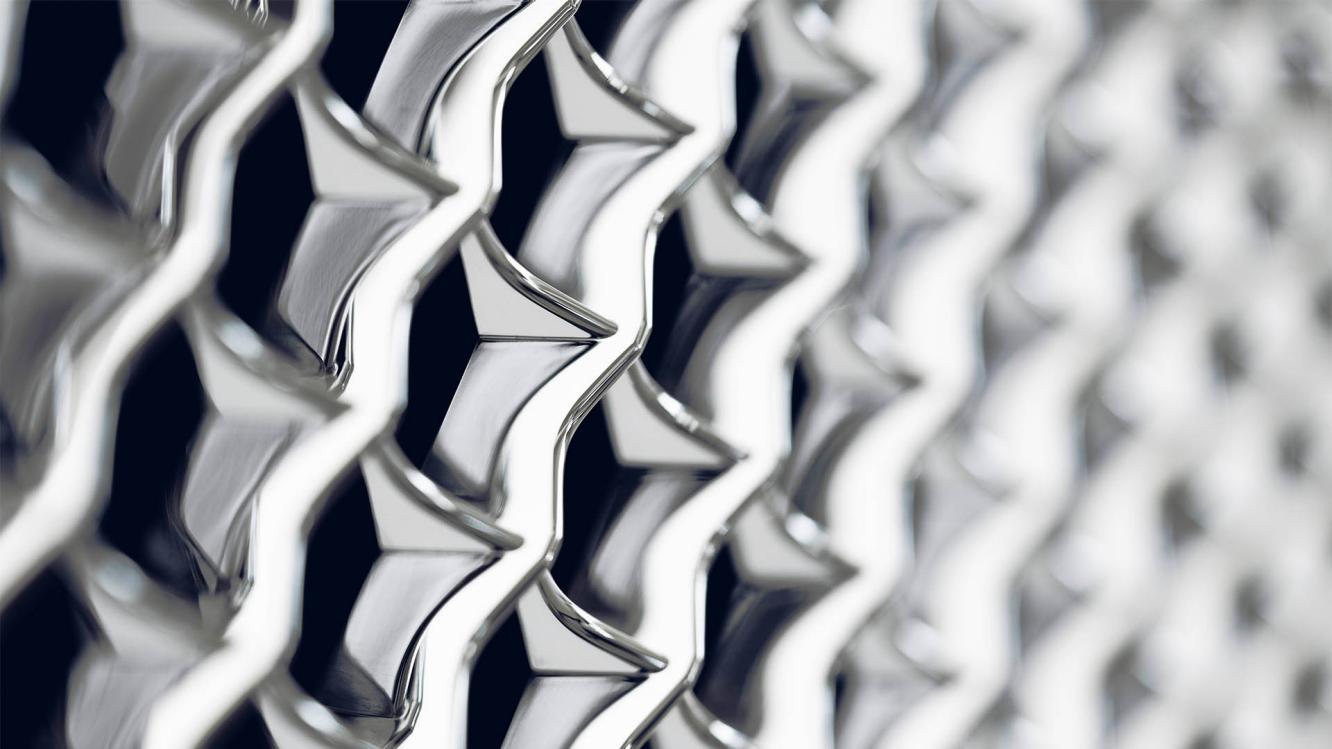
A second-generation Continental T featured a matrix grille and a 420bhp V8. The interior design evolved, too. “With the original Continental T we hedged our bets,” explains Day. “We included straight grain mahogany on the door waistrails and the centre console, where the starter button was sited. For the second generation we used a darker shade of engine-turned aluminium but no wood at all. We also relocated the starter button to a prime position in the middle of the dash, surrounded by dials.”

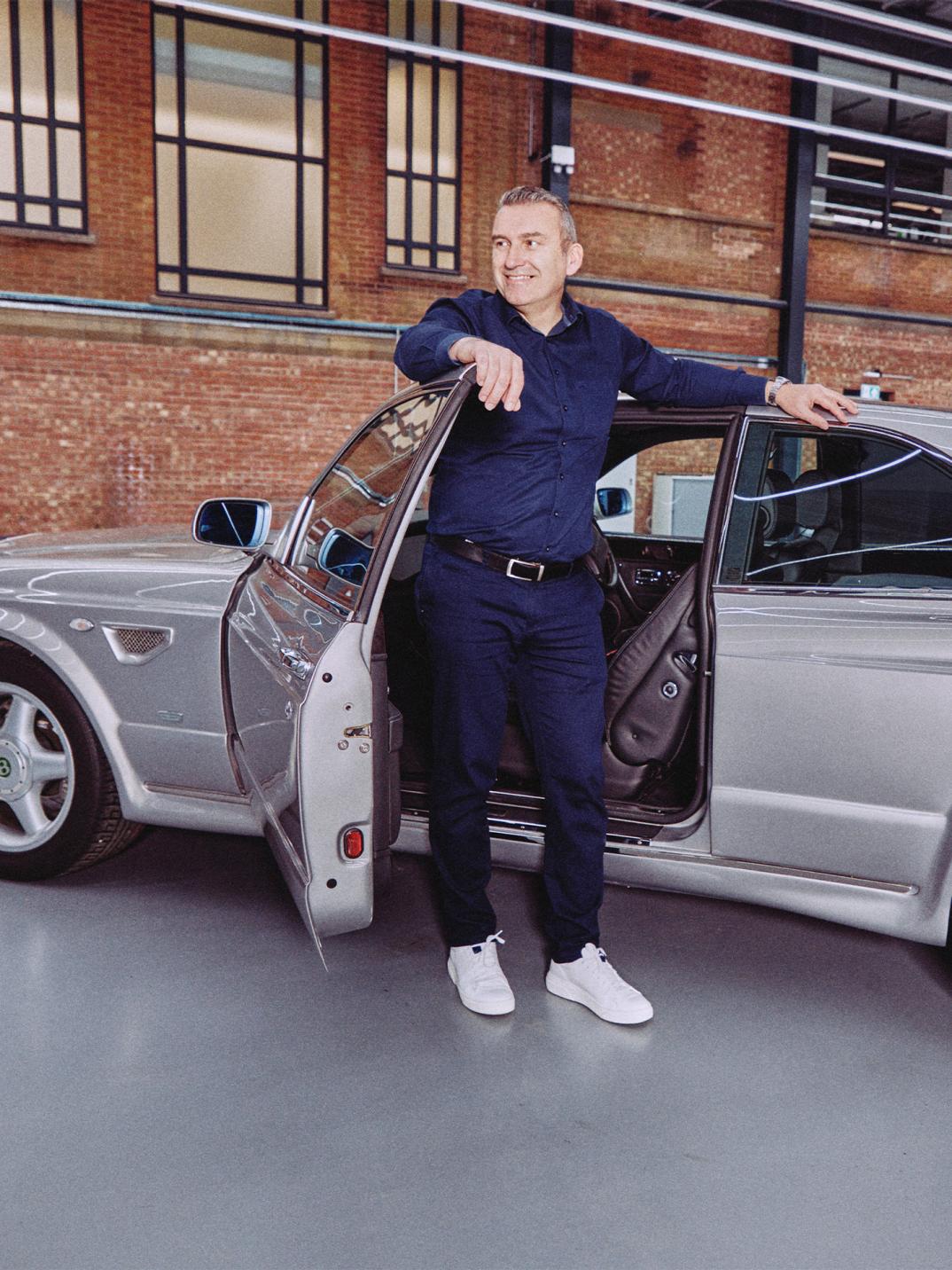
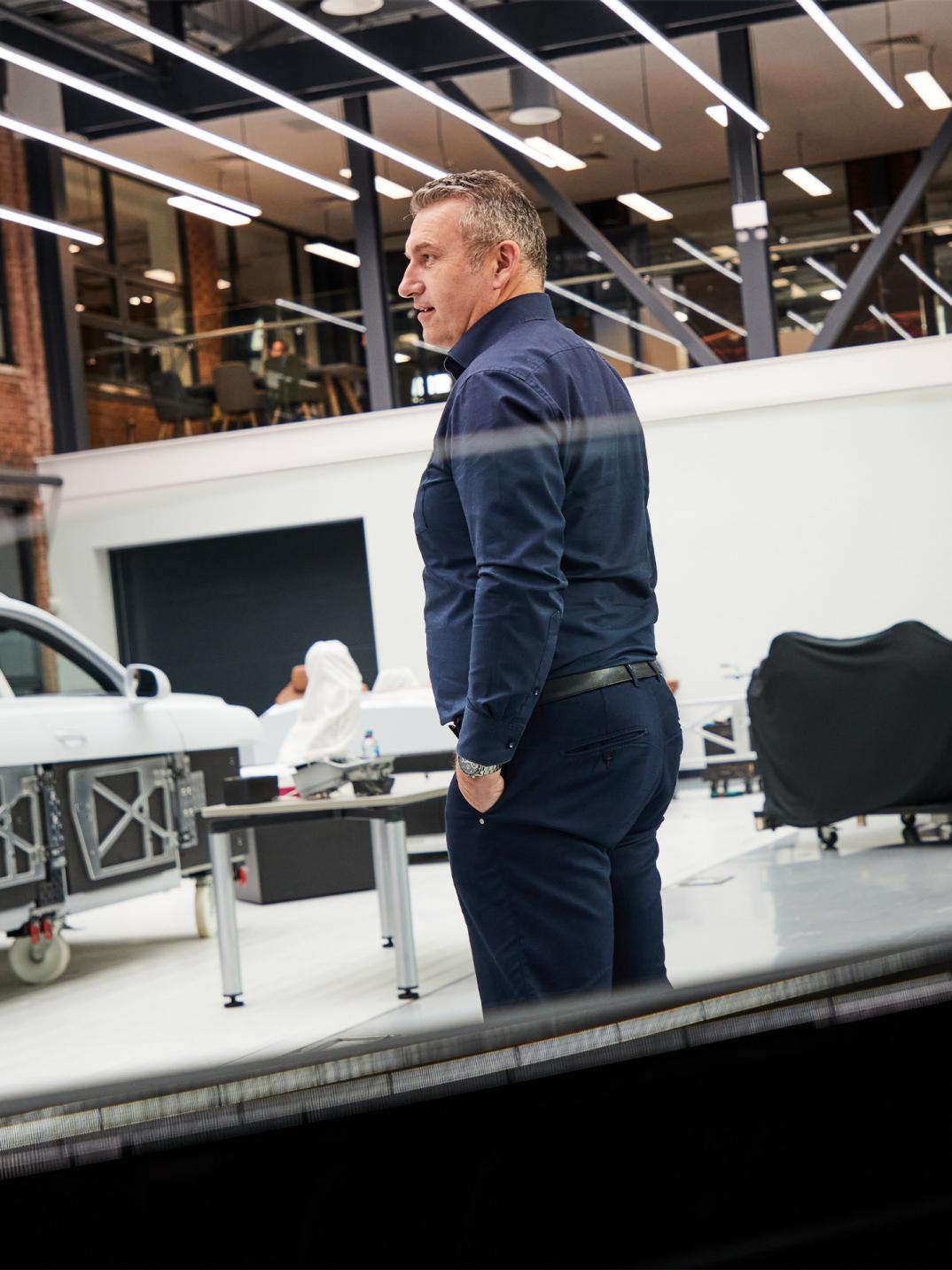
Thirty-one years later, Darren Day is Bentley’s Head of Interior Design. The new Design Studio, in the historic centre of the Crewe site, is now home to around fifty designers working on the future of Bentley’s exterior and interior design. It’s a long way from the five-strong team when he joined the company. But in some ways, nothing has changed.


“What I love about Bentley is that you can have an idea, talk to the boss and they’ll say, ‘give it a go’. Even today.”  For Day, the Continental T’s red starter button is emblematic of the design journey the company has taken during his career. “There was a line in the launch brochure that went, ‘A separate starter button asks you a question. Are you ready?’” He smiles. “Well, Bentley was ready.”